


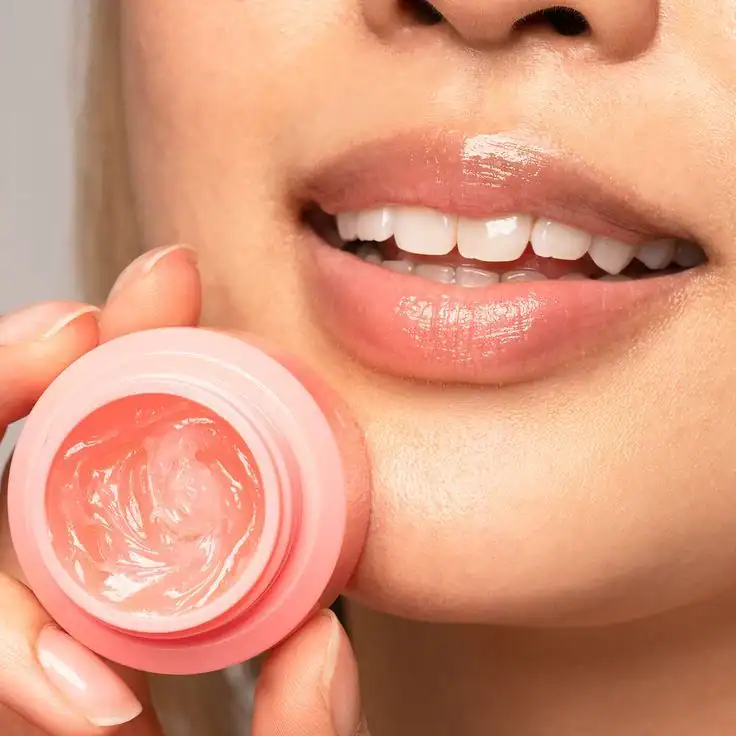
Lip balm is an essential daily skincare staple for millions of people worldwide. Its core ingredients primarily consist of animal or vegetable oils combined with structured waxes. Ingredients like petroleum jelly (vaseline) and glycerin work in harmony with natural beeswax to form a thin lipid barrier on the lips. This protective film seals in moisture and isolates the delicate skin from harsh external air, effectively reducing moisture evaporation.
As a premier custom skincare manufacturer, we frequently receive questions from global brands about whether consumers should apply lip balm as much as possible. Surprisingly, the answer is no. Understanding the science behind this can help your beauty brand engineer better products and educate your target audience effectively.
Stick vs. Jar: Decoding the Texture and Formulations
In the consumer market, commercial lip balms are generally divided into two popular formats: stick and jar containers. As a high-capacity personal care factory, we adapt these formulations based on client requirements:
-
Stick Lip Balms: These have a firmer texture because the ratio of wax is slightly higher than the liquid oils. While they don’t feel instantly greasy upon application, they offer a much more durable and long-lasting moisture barrier.
-
Jar Lip Balms: These feature a softer, richer texture with a significantly higher oil-to-wax ratio. They instantly soothe and lubricate parched lips upon application and can double as an intensive overnight lip mask, though they leave a slightly oilier residue.
Why Over-Applying Lip Balm Can Backfire
Can consumers apply lip balm endlessly for maximum hydration? The biological answer is negative. Glycerin, a staple humectant used by any professional private label body care manufacturer, possesses strong hygroscopic properties—meaning it attracts water molecules from the surrounding air to keep skin hydrated.
However, if consumers apply pure or high-glycerin balms excessively during dry, arid seasons, the ingredient can reverse its action. Instead of drawing moisture from the dry air, it begins pulling water upward from the deeper dermal layers of the lips, leading to increased dryness and localized dehydration. Therefore, expert skincare formulators advise against over-application. Applying lip balm 3 to 5 times a day is the optimal frequency to sustain healthy hydration without compromising the skin barrier.
Formulation Risks: Choosing the Right Ingredients to Avoid Cheilitis
Statistical data indicates that approximately 90% of cheilitis (lip inflammation) sufferers are women, and more than half of these cases are triggered by contact allergies from lip cosmetics. To create enticing aromas or vibrant visual appeal, some brands introduce heavy aromatic hydrocarbons and synthetic colorants. These substances can easily provoke allergic reactions, leading to contact cheilitis characterized by dryness, swelling, cracking, and severe itching around the lip border.
To capture loyal customers and protect consumer health, brands should partner with a low moq skincare manufacturer that prioritizes clean, non-irritating formulations. Beyond standard oils and structural waxes, incorporating gentle soothing agents like allantoin, glycyrrhizinic acid, and Vitamin E ensures low allergenicity and delivers excellent barrier-repair benefits.
The Correct Application Technique: Go Vertical
Most consumers apply lip balm horizontally, but dermatological science dictates a vertical approach. Because the natural structural ridges and grain of the human lip run vertically, applying balm from top to bottom and from the center outward ensures the active ingredients thoroughly penetrate the microscopic cracks and crevices, maximizing the locked-in moisture effect.
Essential Lip Care Recommendations for Modern Brands
-
Never Bite or Tear Dead Skin: The epidermal layer of the lip is incredibly thin. Tearing dry patches directly damages sub-epidermal capillaries, causing bleeding. Brands should advise consumers to use a warm, damp towel to compress the lips for 3-5 minutes, gently brush away softened dead cells with a soft-bristled brush, and immediately apply a restorative balm.
-
Avoid Frequent Lip Licking: Unlike the internal oral mucosa, external lip skin lacks defense mechanisms against digestive enzymes found in human saliva. Licking lips deposits enzymes that cause erythema, scaling, and accelerated dryness, as evaporating saliva strips away the lip’s native, scarce moisture.
-
Prioritize Nighttime Application: Sleep accounts for roughly one-third of the day. Applying a generous layer of lip balm before bed significantly cuts down nocturnal transepidermal water loss, preventing morning dryness.
Partner with a Trusted Personal Care Factory
Navigating the balance between sensory texture, lasting hydration, and ingredient safety requires specialized manufacturing expertise. Whether you are an emerging clean-beauty brand searching for a flexible low moq skincare manufacturer to launch a niche lip remedy, or an established enterprise looking for an experienced private label body care manufacturer to scale your global distribution, selecting the right partner is critical to your market success.
